Building Production-Grade AI Agents
A practical path from the agent loop to tool design, context, security, reliability, scale, evaluation, and observability.

Reading path
The complete field guide
- 016 min read
An Agent Is a System, Not a Prompt
The useful mental model for agentic software starts with an execution loop, not a clever system message.
Read chapter  025 min read
Tools: Where Reasoning Meets the Real World
Tool design is not plumbing. It is one of the most important safety and product-design surfaces in an agent system.
Read chapter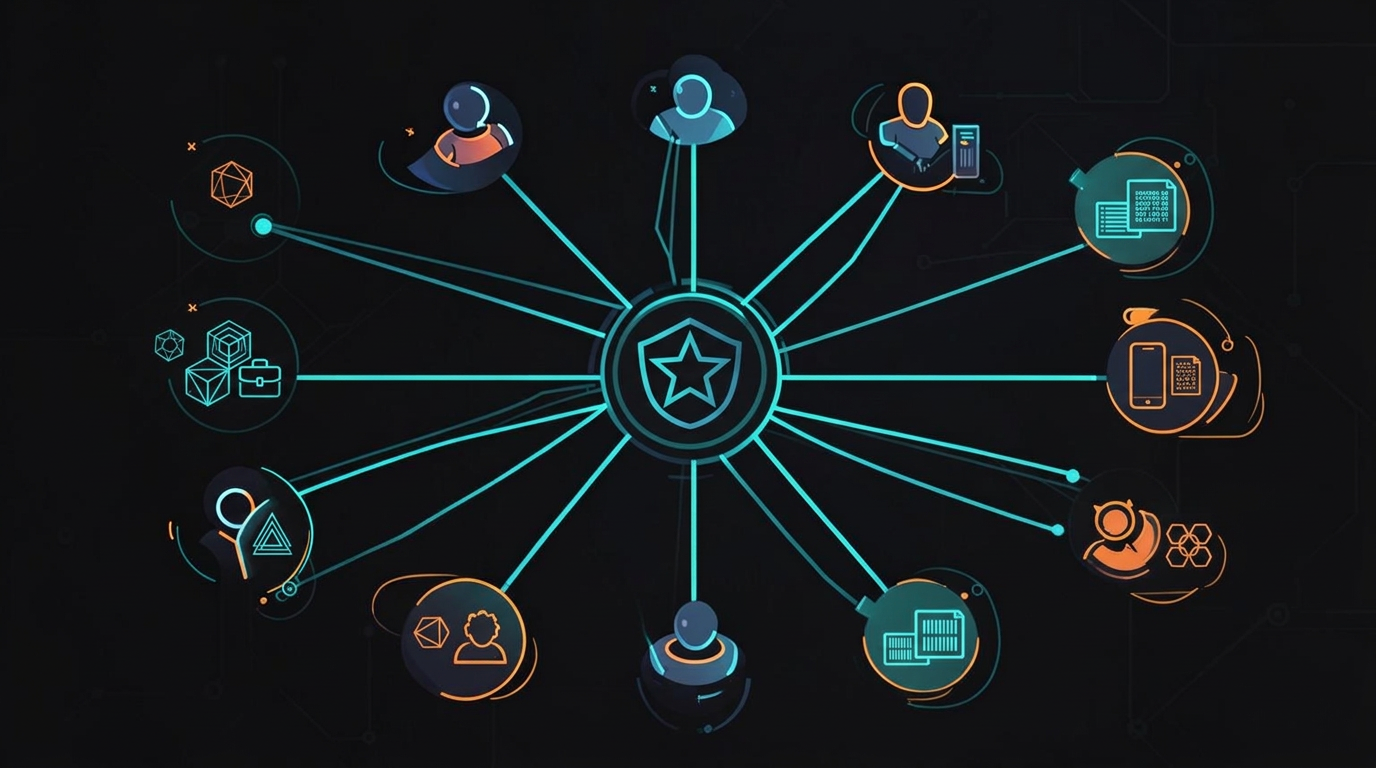 038 min read
MCP: A Shared Capability Layer for Agents
Model Context Protocol is most useful when capabilities need to be reusable across agents, clients, and frameworks.
Read chapter 046 min read
Context Engineering: Give the Model Less, but Better
The best context window is not the biggest one. It is the smallest trustworthy working set needed for the next decision.
Read chapter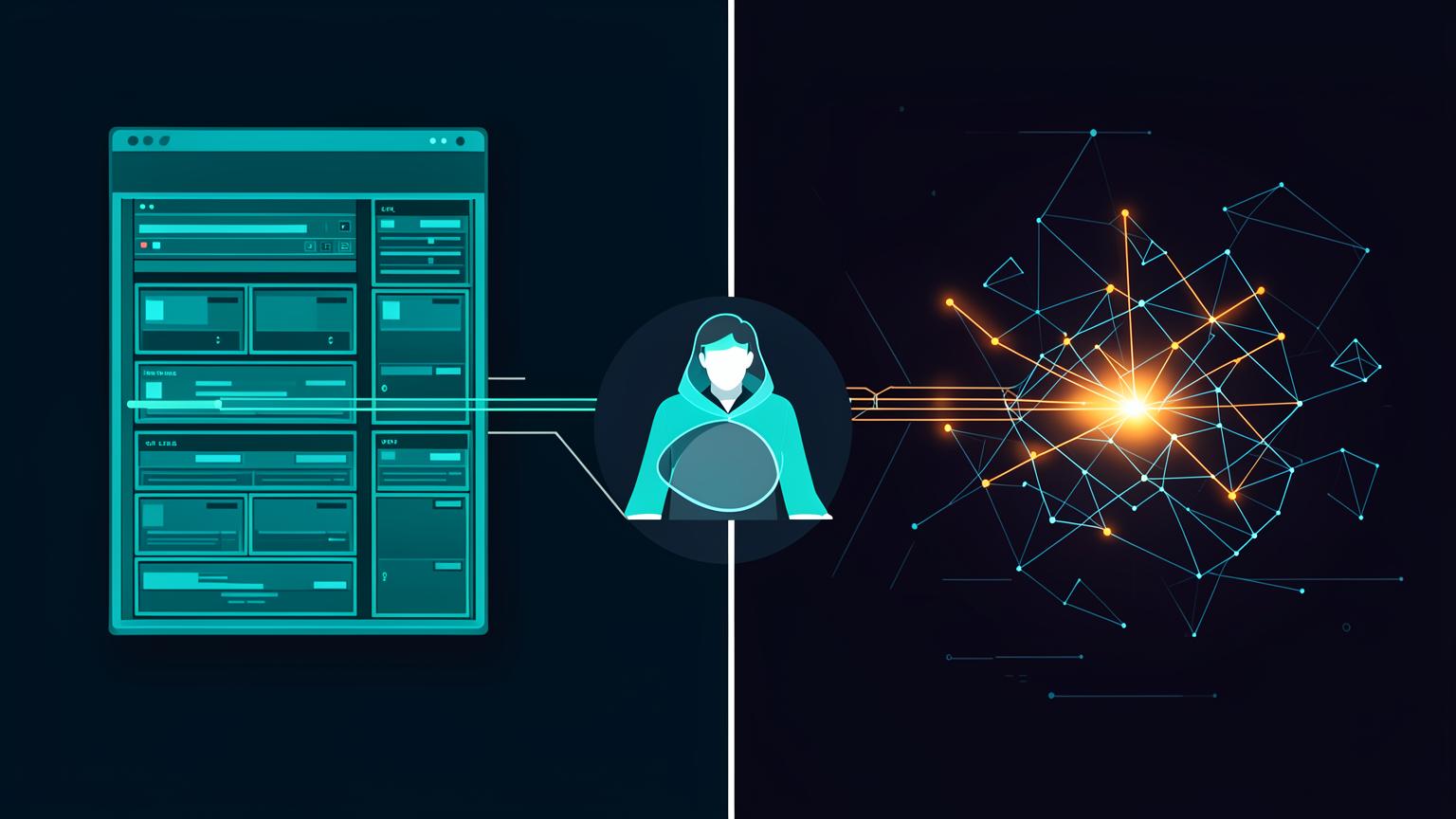 055 min read
RAG vs Live Tools: Knowledge Is Not State
Use retrieval for unstructured knowledge and live tools for current authoritative state—and know when the same source needs both.
Read chapter 065 min read
Deterministic vs Probabilistic Orchestration
The most important architecture decision in an agent system is deciding which parts should not be agentic at all.
Read chapter 076 min read
Reliability: Idempotency, Retries, and Partial Failure
Agentic systems inherit every distributed-systems failure mode—plus a probabilistic decision-maker on top.
Read chapter 086 min read
Security: Identity, ACLs, Prompt Injection, and Blast Radius
The model is not a trusted principal. Design as though untrusted content can influence it—and make that influence powerless.
Read chapter 094 min read
Human Confirmation Without Confirmation Fatigue
User approval is useful, but it is not authorization—and asking “Are you sure?” before everything is not a product strategy.
Read chapter 106 min read
Scaling Agent Systems: Backpressure, Quotas, and Workload Isolation
Ten thousand users is not a capacity number. Peak concurrency, latency SLOs, downstream limits, and workload mix are.
Read chapter 115 min read
Tool Sprawl, Routers, and Specialist Agents
When an agent has forty tools, the answer is rarely “write a better prompt and hope.” Reduce the effective action space.
Read chapter 126 min read
Evals: The Test Harness Around a Stochastic Application
A production agent needs more than unit tests. It needs a repeatable way to measure outcomes, trajectories, safety, cost, and regressions.
Read chapter 135 min read
Ablation, Variance, and Adaptive Sampling
Agent evaluation becomes much clearer once you borrow a small amount of statistical vocabulary—without turning product development into a statistics thesis.
Read chapter 146 min read
Production Observability: From Traces to Better Agents
The first month after launch should produce more than dashboards. It should produce a better eval suite and a sharper failure taxonomy.
Read chapter 157 min read
The Production Agent Vocabulary Sheet
A compact glossary for architecture discussions, design reviews, and building shared language across teams.
Read chapter
All writing on PFP Labs is personal. The views expressed in this series are my own and do not represent those of my employer or of any vendor mentioned. Nothing published here is based on non-public information, and everything described comes from publicly available documentation and personal projects.
New posts, straight from Chris
A short note from me whenever a new article goes live — product engineering, AI workflows, IoT, indie apps, and engineering leadership. No spam, unsubscribe anytime.
By subscribing, you agree to our Privacy Policy. We do not share your email.