

AI Engineering
19 articles in this topic.
Strava to ChatGPT: a useful workflow without a connector
Bring Strava data into ChatGPT with an original FIT export. A practical workflow with Kermit, clearer swim analysis and complementary device recordings.

The Last Mile of AI Automation Is Where the Work Actually Happens
Finding a file is only part of an AI workflow. A practical look at version selection, recipient access, attachments, and honest handoffs.

If an AI Can Clean It Up, It Needs an Undo Button
A practical design for AI-assisted inbox cleanup: narrow scope, conservative classification, recoverable moves, an action manifest, and verified restoration.

No data isn't zero
Design monitoring and AI summaries that distinguish measured zero from missing data, with provenance, freshness, derived metrics, and explicit alerts.

What Happened When Two AI Assistants Discussed Formula 1
Two independently operated AI assistants held a ten-minute, podcast-style Slack conversation about Formula 1. The corrections were the most interesting part.
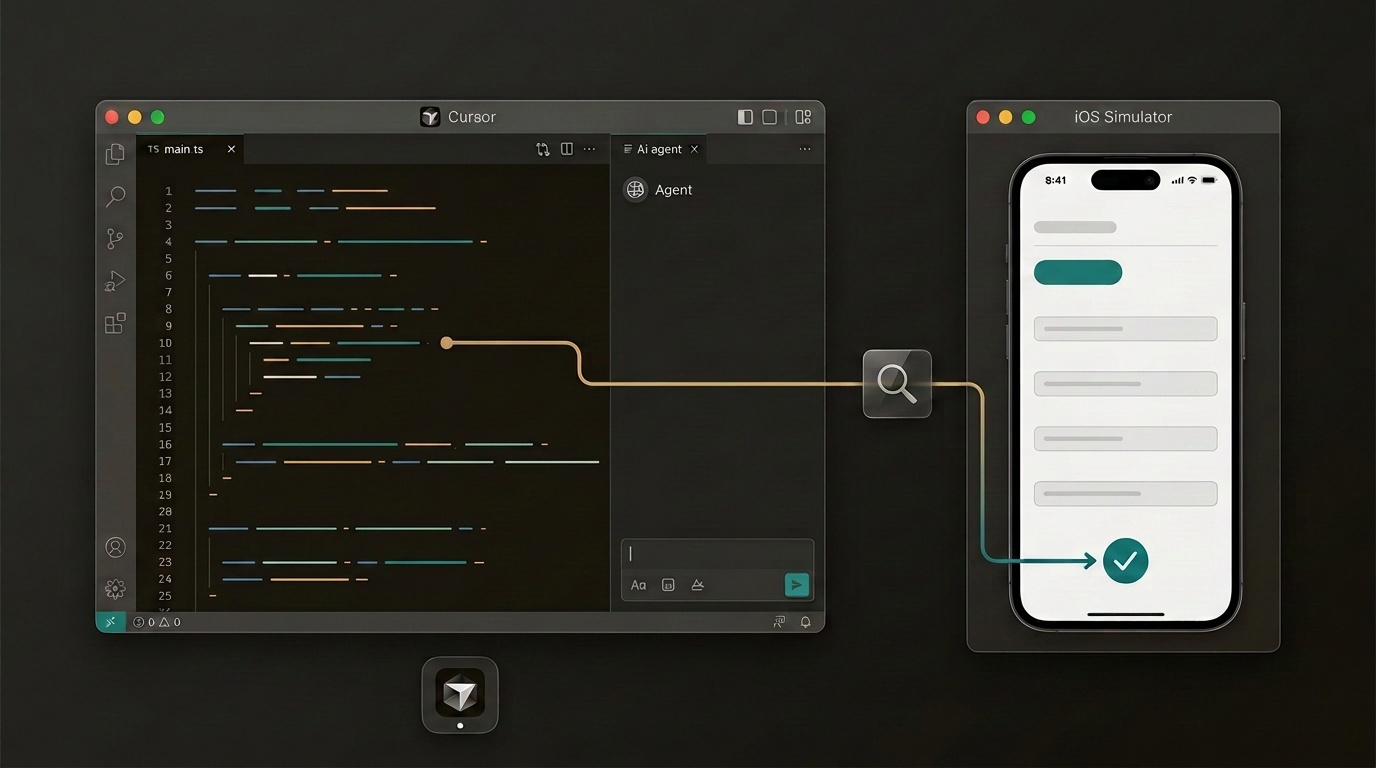
How Cursor Tested My App in the iOS Simulator
How Cursor used Maestro and the iOS simulator to test my React Native app, find UI and accessibility bugs, and verify fixes beyond passing unit tests.

I Connected My Backoffice to ChatGPT — But Kept the Send Button Human
How I built a human-in-the-loop operations workflow where ChatGPT gathers evidence across Slack, GitHub, and Outlook, drafts a response, and stops before sending.
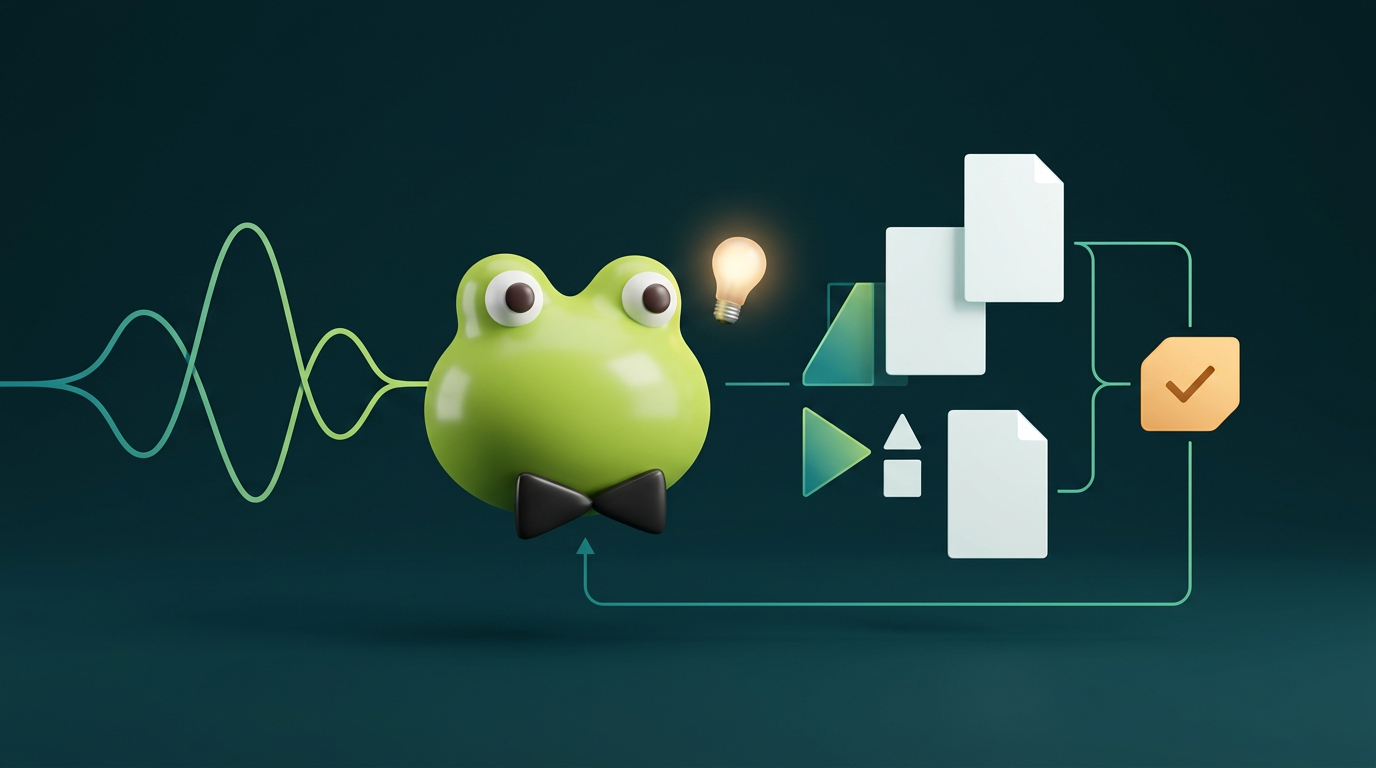
Meet Kermit: How I’m Using OpenAI Dots
Meet Kermit, my OpenAI Dot: a practical guide to narrow responsibilities, voice briefings, authorized sources, ongoing work, and explicit human review.

I Built an Instagram Workflow with OpenAI Dots — and Review Happens in Slack
A practical OpenAI Dots Instagram workflow: Slack approves the exact image and caption, Windsor publishes approved media, and the archive stays private.
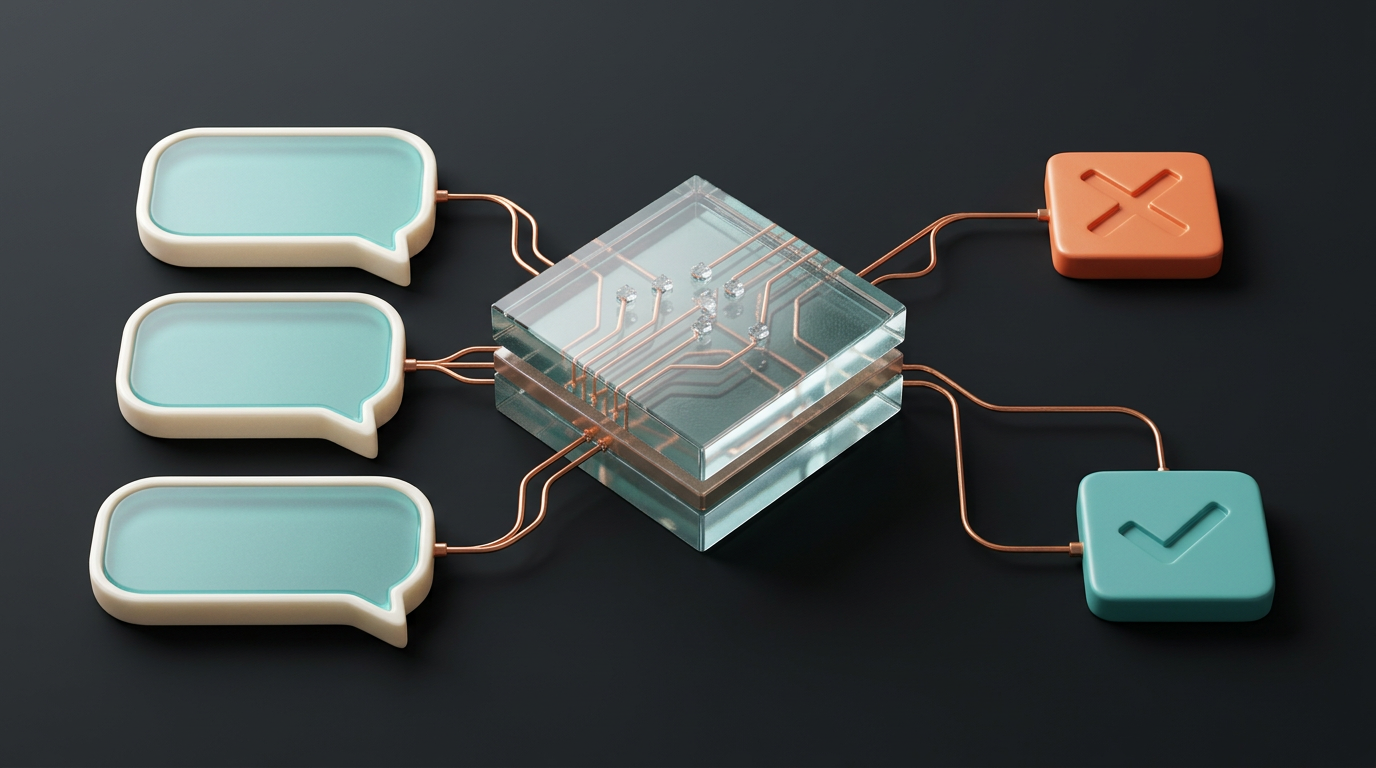
Start with a Failing Chatbot
Build a failing OpenAI chatbot lab with an executable return-policy contract, offline eval cases, and clear simulator limits.

Fix Retrieval and Conversation History
Fix chatbot retrieval and conversation history for short numeric replies, then test 30/61-day boundaries without overstating offline evals.

Connect the Responses API
Connect a local TypeScript or Python chatbot to the OpenAI Responses API with structured output, error handling, and explicit live/offline modes.

Debug with Evals and Local Traces
Debug chatbot evals with local trace provenance, report scope, case-level comparisons, and separate diagnoses for ambiguous numeric replies.

Make Conversation State Explicit
Make chatbot conversation state explicit: preserve order IDs as strings, enforce application guards, and inspect the historical before/after trace.
Read Results Honestly and Extend the Lab
Interpret chatbot eval results honestly, separate model calls from application guards, and extend the lab with held-out tests and quality checks.

Ask Questions About Videos with Jockey in ChatGPT
Try TwelveLabs Jockey in ChatGPT: ask questions about footage, review proposed highlights, and check the answers against the video. No code required.
Find Video Moments with TwelveLabs Managed Search
Build a TwelveLabs video AI repository step by step: first commit, local clips, an editable media manifest, and resume-safe managed Marengo search.

Summarize Videos and Identify Scenes with Pegasus
Use TwelveLabs Pegasus 1.6 for video summaries and timed scenes. Check stream endings, inspect saved output, and verify descriptions against the footage.

Search Video Moments with Marengo and Ask Jockey
Build local video retrieval with Marengo 3.5 embeddings, then explore Jockey's API separately. Distinguish similarity scores from checked source evidence.
New posts, straight from Chris
A short note from me whenever a new article goes live — product engineering, AI workflows, IoT, indie apps, and engineering leadership. No spam, unsubscribe anytime.
By subscribing, you agree to our Privacy Policy. We do not share your email.